
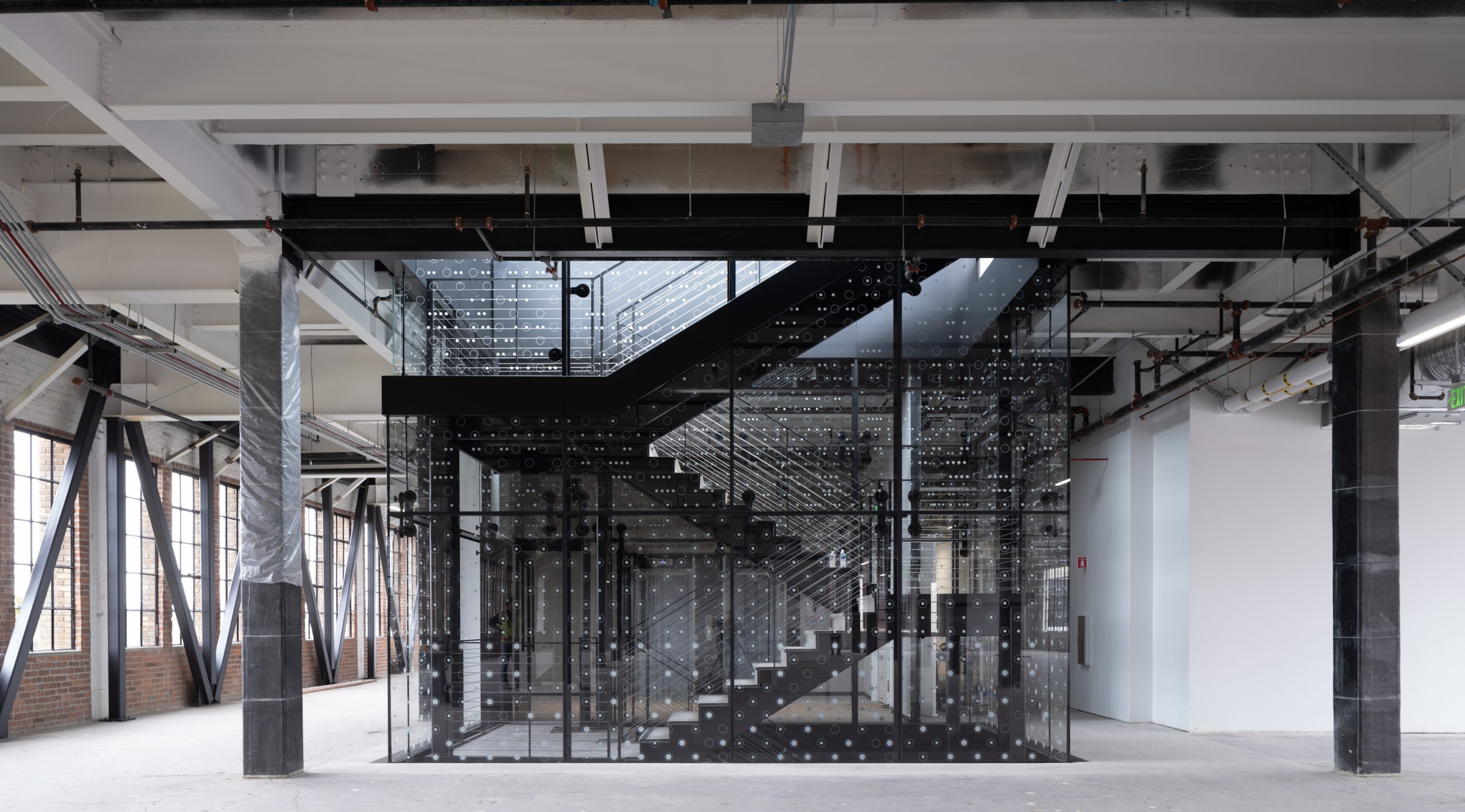
The reconfiguration of the urban landscape and the new work dynamics have generated a phenomenon in major cities: the transformation of commercial buildings and even former hotels into residential buildings through retrofit. The term refers to a set of interventions aimed at giving “new life” to older buildings, updating them in terms of functionality, technology, sustainability, and often changing their original purpose.
The increase in vacancy rates in corporate buildings, especially in central areas, combined with the growing need for housing close to public transportation and service centers, has created the ideal environment for this shift. Cities such as São Paulo, Rio de Janeiro, and Curitiba have promoted revitalization projects in their downtown areas.
Although retrofit is often associated with the modernization of hotels or the transformation of residential structures into hospitality use, the migration of use also occurs in the opposite direction. In São Paulo, for example, the Edifício Marian, the city’s first flat building, was converted into studio apartments, exemplifying the restructuring of a building to change its usage profile and generate market value. In Rio de Janeiro, the Edifício Mesbla, which once served as the headquarters of a retail chain and was originally designed as a residential project, is being converted into 190 residential apartments.
This trend is not only a response to real estate market dynamics but also an instrument for urban regeneration. By bringing residents back into central areas, retrofit helps reverse nighttime and weekend “emptiness,” promoting a more constant flow of people and contributing to safety and local commerce.
In addition, renovating and reusing an existing structure is, as a rule, more sustainable than demolishing and building from scratch. In São Paulo, changes in legislation and incentives for the construction of residential developments in the city center, along with the consequent reduction in the number of parking spaces, make it possible to increase the number of apartments per building and thus reduce the final cost to buyers, improving financial accessibility.
In this way, cities adapt to the new realities of the 21st century, combining the appreciation of the built heritage with the creation of a more vibrant and accessible urban environment.

 English
  Português do Brasil
  Español