
Infiltration is one of the most common and harmful problems in civil construction, affecting both the aesthetics and the structural integrity of a building. Leaks can have several origins, many of them related to improper execution and the use of low-quality materials. The main causes include:
Waterproofing Failures
The absence or improper application of waterproofing systems in foundations, slabs, roofs, pools, and wet areas such as bathrooms and locker rooms is the most frequent cause. The Brazilian Institute of Waterproofing (IBI) highlights the importance of following technical standards such as NBR 9575:2010 – Waterproofing – Selection and design, which establishes the requirements for selecting and designing waterproofing systems. Noncompliance with these standards is a significant risk factor.
Problems in Pipes, Roofs, and Coverings
Leaks in water or sewage pipes, often caused by damage during construction or execution failures, are direct sources of infiltration. Likewise, the lack of maintenance or the improper installation of roof tiles, gutters, and flashing can allow rainwater to enter, infiltrating the slab and walls.
Cracks and Fissures in the Structure
Structural movements, soil settlement, or the improper use of materials can cause cracks and fissures in walls and slabs, which become entry points for rainwater. The Brazilian Association of Technical Standards (ABNT), through standards such as NBR 6118:2014 – Design of concrete structures – Procedure, provides guidelines for the calculation and execution of structures that minimize these problems.
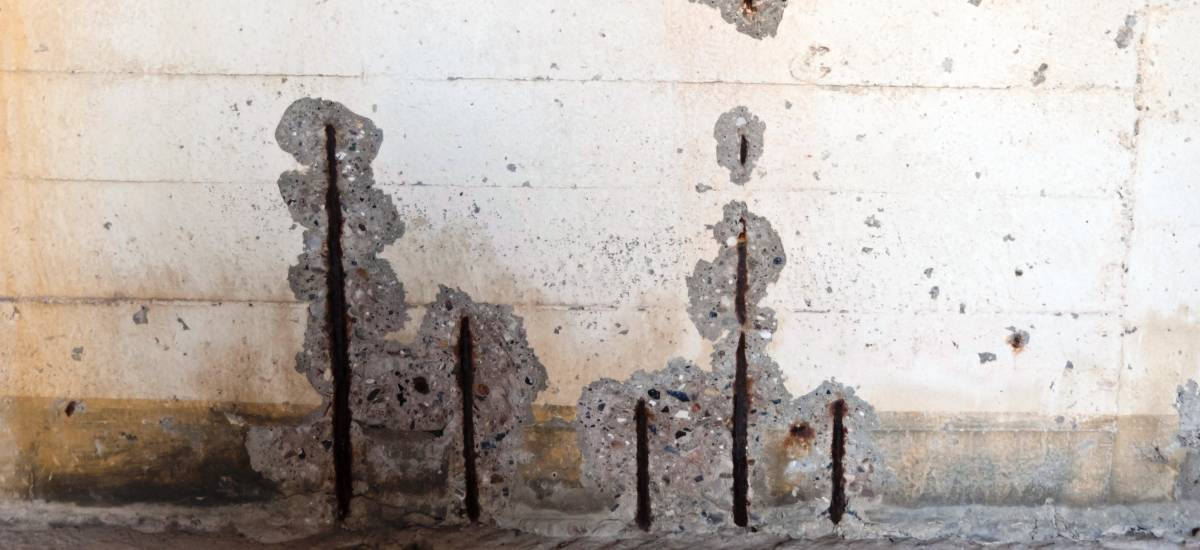
In the long term, infiltration through these cracks or fissures triggers a destructive cycle. Moisture penetrates and accelerates the oxidation of the steel reinforcement inside the concrete, causing corrosion. This process leads to the expansion of the material, creating new fissures and severely compromising the structural strength of the building. Repairing this type of damage is extremely costly and often time-consuming, requiring complex interventions.
Efficient Solutions and Prevention
The best approach to dealing with infiltration is prevention. A well-planned project and rigorous execution are essential. Therefore, it is crucial to hire a qualified engineering and architecture team that, in addition to using modeling software such as BIM (Building Information Modeling), also has the experience needed to prevent and mitigate infiltration risks.
Include in the project an adequate waterproofing system for each area, using quality materials from certified suppliers and in accordance with ABNT standards. In addition, it is essential to train the workforce for the correct application of the products, ensuring compliance with the project specifications, and to perform watertightness tests on slabs and wet areas before proceeding with the next stages of construction.
The management of large construction projects requires a constant commitment to quality and technical compliance. Stecla Engenharia’s construction planning and management is an investment in prevention, with detailed projects and careful execution. Learn about our work.

 English
  Português do Brasil
  Español